

Nine stories moved the marketing world this week. Search is rewarding real content and punishing shortcuts. AI tools are taking on more power, as a place people go for answers and increasingly as something that books the table or makes the purchase for them. And the businesses getting noticed right now are the ones still doing the groundwork everyone else is skipping.
This is the first edition of The Ninety8 Digest. Every Monday, we'll break down the marketing news that actually matters, with our own take on what to do about it. Here's what happened this week.
Content marketing performance just hit a 12-year low
Orbit Media's annual blogging survey found that only 14% of marketers now report strong results from their blogs. AI use among marketers has passed 92%. The drop in performance isn't down to AI itself. It's down to what's being skipped to use it: original research, expert input, proper keyword research, promotion, analytics, human editing.
We've said this for years, so the data doesn't surprise us. Bespoke content built around real expertise was always going to outperform recycled output. But there's a sharper reason to care about this now. As AI tools become the front door for more searches, they cite the sources that already show depth and authority, not the ones publishing the most. A strong, well-researched blog is how you get quoted inside AI-generated answers in the first place.
Searches are getting longer. Your content needs to catch up
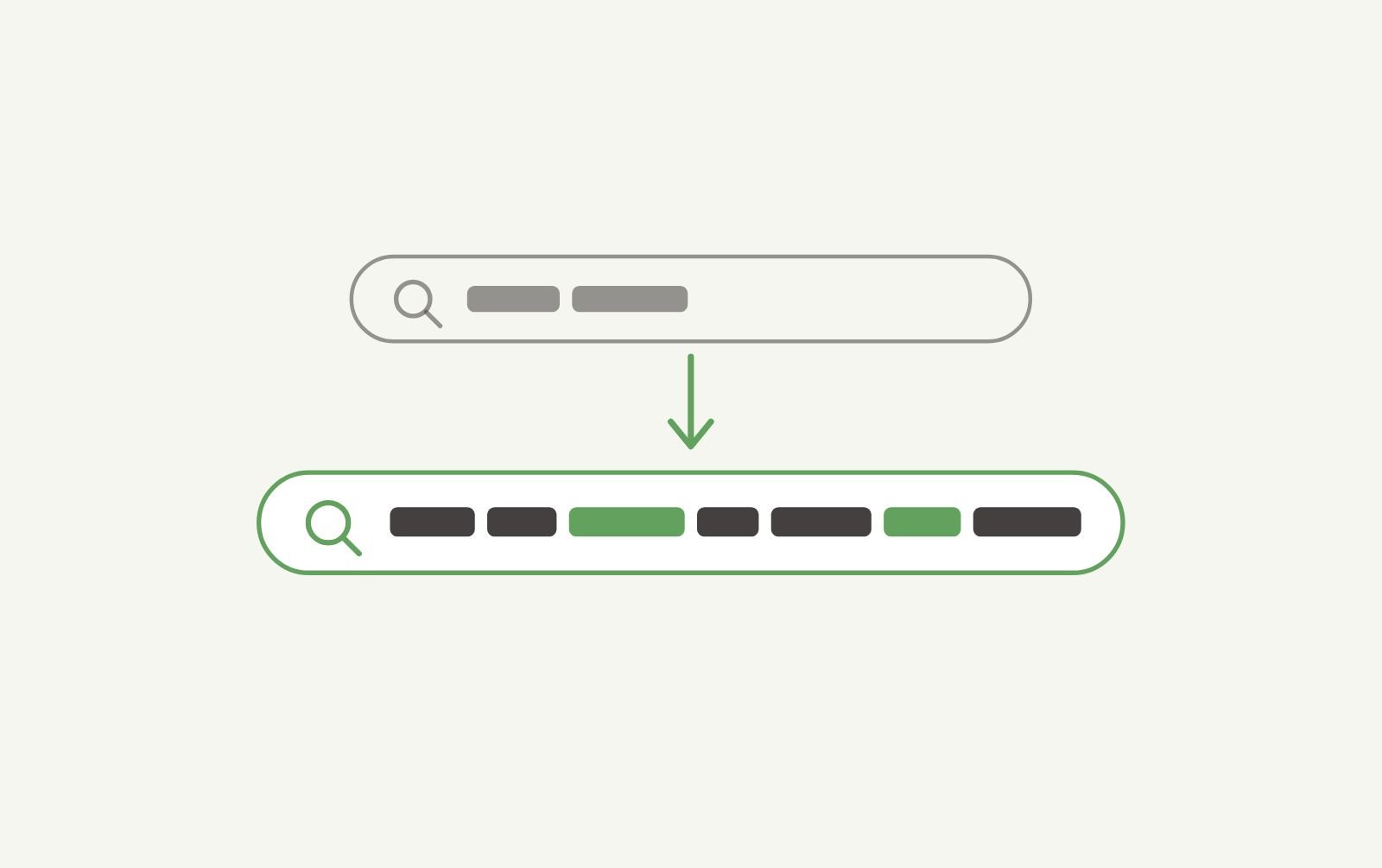
Analysis of Google Ads data found that one and two-word searches fell from 42% of impressions in January 2025 to 24% in August 2026. People are typing full questions now, shaped by how they've learned to talk to AI assistants.
Our stance on this hasn't changed. Build SEO content, landing pages and PPC campaigns around detailed customer problems, comparisons and natural-language questions, not isolated keywords. When you review search-term reports, look at query intent and length, not just which keywords are triggering clicks. A campaign built entirely around short-tail terms is optimising for a version of search that's shrinking.
Your enquiry form is where Google's data upgrade actually matters
Google expanded Data Manager into Analytics and DV360, made its Data Manager API universally available, and introduced a new Data Strength Uplift metric.
Google's automation is only as good as the data you feed it, and most small businesses lose that data at the exact moments that matter most: the enquiry form, the phone call, the booking, the offline sale. If those aren't tracked properly, no amount of optimisation on Google's end fixes what's a blind spot on yours. Use this as a prompt to check how your own conversion tracking is actually set up, not just whether it exists.
GA4's new dashboards are handy, with one caveat
GA4 has launched customisable dashboards, letting teams pull key metrics into one report using a grid-based builder, no separate tool required.
This is useful if you've never had the time or budget to build something in Looker Studio. But it doesn't replace proper cross-channel reporting. If you're pulling together social, paid, SEO and commercial performance into one picture, Looker Studio still does that job better. Use GA4's dashboards for the basics, not the whole story.
Google is testing search ads inside AI Mode
Google is trialling text adverts from exact and phrase-match Search campaigns appearing inside AI Mode when someone shows clear commercial intent. Until now, AI Mode advertising has mostly meant handing control to Google's automated campaign types.
Worth watching closely. If it holds, advertisers get access to AI-search placements without giving up the keyword control that comes with automated campaigns. It also confirms that paid visibility isn't disappearing inside AI-led search, it's finding a new shape. We wouldn't restructure a working campaign around an early-stage test yet, but keep an eye on this.
AI visibility can now be measured
Launchmetrics has introduced an AI Visibility metric that tracks how brands show up in answers from tools like ChatGPT and Gemini, including which publishers and sources are shaping those answers.
Brands have known instinctively that being mentioned inside an AI answer matters, without any way to measure it. This starts closing that gap. It also backs up what we said above about content: editorial coverage, reviews, creator mentions and earned media increasingly determine whether a brand gets recommended by an AI system, not just where it ranks on a results page. We'll be building baseline AI-visibility checks into client reporting, starting with whether clients appear for relevant recommendation, comparison and location-based prompts.
Meta's new AI agent can already book and buy on your customers' behalf
Meta has launched Muse in the US, an AI assistant that connects to email, calendars, payment services and shopping platforms, and can send emails, sell items and book travel on a person's behalf.
AI tools are moving from answering questions to acting as the intermediary in a transaction, which changes who a business is really marketing to. If an AI agent is researching, comparing and eventually booking on someone's behalf, your information needs to be structured, consistent and accurate across your website, listings and any third-party source that agent might trust. We'd flag this as worth planning for, particularly for hospitality and travel businesses, without overreacting yet. Handing this much decision-making power to a system nobody fully understands carries real risk, and that's worth sitting with before diving in.
Deepfake ads are putting creators and brands at real risk
Creators have found AI-generated versions of themselves appearing in unauthorised adverts on Instagram, TikTok and elsewhere, with some manipulated content staying live even after being reported.
Take this seriously now rather than after something goes wrong. If you work with influencers or creators, make sure agreements explicitly cover likeness rights, what AI editing is and isn't permitted, usage periods, approved channels and a clear approval process. Keep original files and written creative sign-off on hand too. Trust is the entire currency of creator marketing.
Australia wants people to control their own feeds. More countries should follow
Australia has proposed legislation that would let users choose between an algorithmically personalised feed and one showing only content from accounts they've chosen to follow, alongside stronger duties around harmful content and manipulative design.
This is currently a proposal in Australia, so we won't overstate it. But it's worth saying plainly where we think this should be heading. Regulation is already catching up with social platforms elsewhere, the UK's move to restrict under-16s' access being one example, and giving people real choice over how content reaches them is a sensible next step. If more markets move this way, genuine audience loyalty becomes worth more than reach borrowed from an algorithm. An engaged email list and a following that would find you without the algorithm's help protects you either way.
What we'd focus on this week
Build your content and search strategy around real customer questions, not short keywords. Get your own conversion tracking properly set up before optimising anything else. And start thinking about how your business shows up in AI-generated answers, not just search results, because that's quickly becoming a second front door. If you need a hand with this, get in touch today.
That's the first Ninety8 Digest, see you next Monday!
