
The Ninety8 Digest: AI Agents Can Now Complete Your Purchase
A spam update rolled out, AI agents started completing purchases rather than just recommending them, and Google tried to answer the transparency question everyone's been asking about automated ad campaigns. None of it fully lands yet, in our honest opinion.
This is The Ninety8 Digest for 21st to 27th September. Six stories, our take on each.
Google's September spam update is rolling out. We're watching, not panicking
Google began rolling out a new search spam update on 24 September, affecting ranking systems globally. It was still active at the end of the week. Google's own status page has the live detail.
Our stance here is simple. Rankings and organic traffic can fluctuate while an update like this rolls out, and sites running derivative or mass-produced content are the most exposed. But legitimate businesses can see temporary movement too, and that's not a signal to start making changes. We're annotating 24 September in every client report and watching Search Console by page and query rather than reacting to early noise. Give it time to settle before touching anything.
ChatGPT isn't the whole market anymore, and that changes where your content needs to work
Comscore's Q2 report found ChatGPT's share of measured AI prompts fell from 70% to 50% between January and June, while Gemini rose to 30% and Claude climbed to 11%. Google AI Overviews now appear in 39.4% of US desktop searches, up from 25.8% in July 2025.
The obvious response is to widen the net, and that's correct as far as it goes. But the sharper point is that each platform pulls from different signals entirely. ChatGPT tends to favour brands with strong third-party mentions on places like Reddit and G2. Google's systems stay closer to traditional SEO. Claude rewards depth and original research over search-optimised content. A brand can show up well in four of five AI platforms and still be invisible on the one its actual customers use most. For our content strategy work, this means testing where a client's specific audience goes for answers, not assuming ChatGPT visibility covers the job.
AI agents are starting to buy, not just recommend, and we're still being careful
Eligible Shopify products can now be bought directly within Google's AI Mode and Gemini, and Shopify has integrated Shop Pay with Meta's Muse agent. Muse generated 2.8 million downloads in its first 12 days, though Amazon has blocked it from its own store. Read the report.
This is a genuinely interesting development, and we don't want to undersell that. The journey from search result to website to checkout is starting to compress into a single step, which means product data, availability and review information could determine whether an agent completes a sale at all. But we're keeping the same cautious stance we took on Muse a few weeks ago. Handing a transaction over to a system nobody fully understands carries real risk, and the purchasing functionality is currently most relevant to the US rather than the UK. For ecommerce and paid advertising clients, the right move now is tightening up Merchant Center feeds and structured product information, not rushing to plug into the agent itself.
Google's new ad transparency report shows you the problem, not how to fix it
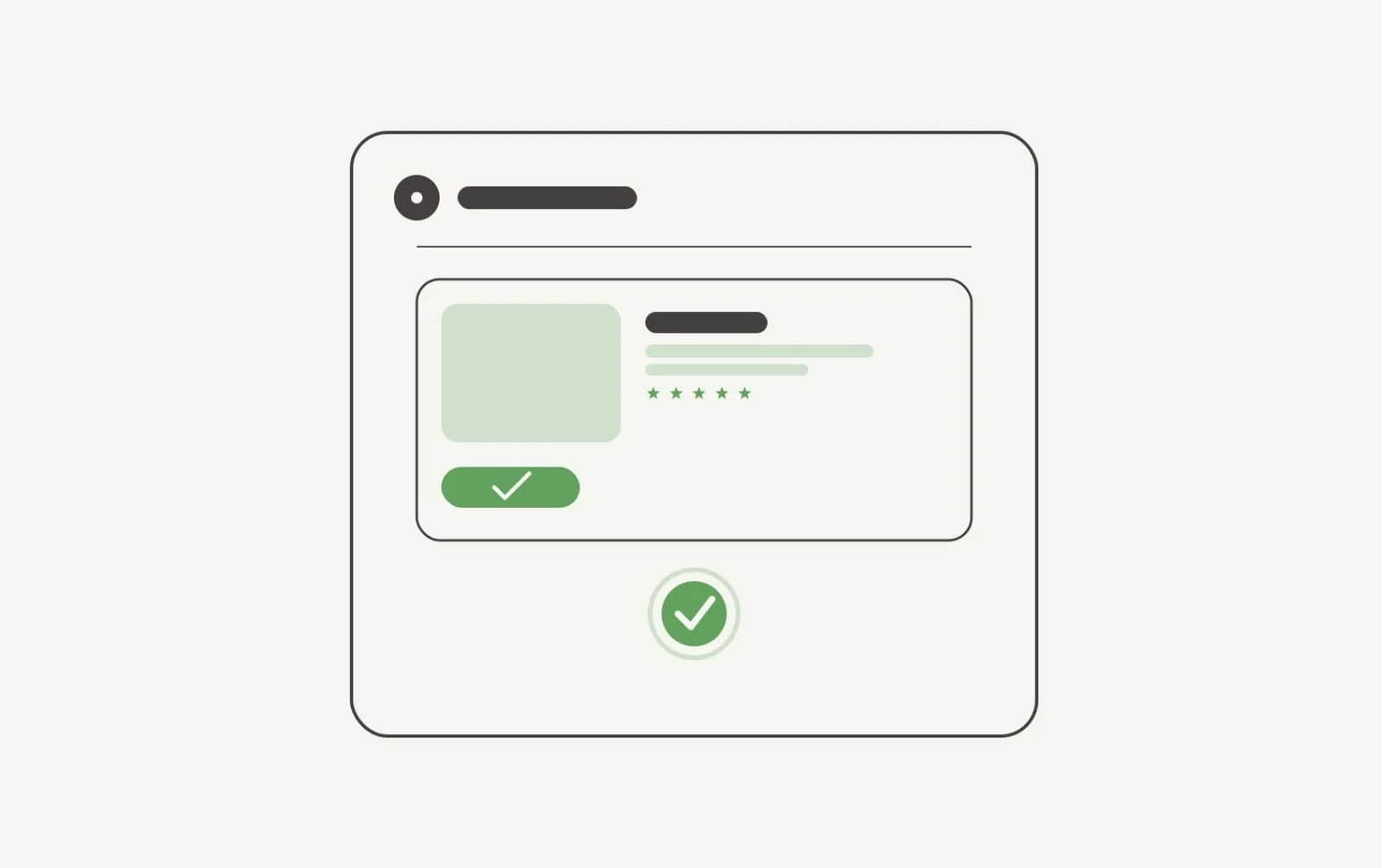
Google has introduced a unified report showing which search term triggered an advert, which generated asset the user saw, and which landing page they reached. Its natural-language AI Brief tool is also expanding into seven more languages.
We'd treat this as a limited win rather than the fix it's being presented as. A comparable example from Google's earlier Performance Max reporting update found Display placements consuming nearly 50% of a budget while generating under 20% of conversions, and advertisers still couldn't reduce that Display allocation directly. The lesson carries over here. Seeing where a query-to-creative-to-page journey broke down is useful, but it doesn't hand back the control to fix it. When this report reaches client accounts, we'll use it to audit what's happening, but we won't judge AI Max purely on the dashboard Google built to describe itself.
YouTube's new conversational ads are promising. We're not recommending them yet
Google's September Demand Gen update introduces Business Agent, letting viewers ask questions about a product directly inside a YouTube ad without leaving the video, drawing answers from Merchant Center data and retailer websites.
The idea has real potential, particularly for clients whose customers always have questions before they commit, menus, availability, specifications. But it's a US-only beta with a $10 daily spend minimum, English-language mobile ads only, and no Shorts support yet. Google hasn't published any performance data showing it actually works. There's also a sharper reason to wait. Google's own new AI Max transparency dashboard explicitly excludes paid advertising, which means there's currently no proper way to measure whether a Business Agent campaign is paying off. An incorrect answer served inside a paid ad could damage a sale and a brand's credibility in the same moment. We'd watch this closely for the right clients rather than test it blind.

GA4's new hostname allowlist is a housekeeping fix with a bigger lesson behind it
Google Analytics properties can now use an "include only" hostname filter, so events are accepted solely from approved domains rather than relying on an ever-growing exclusion list. The filter applies only to future data, and anything excluded is gone for good.
On the surface this is a practical fix, and a useful one. An allowlist is far easier to maintain than chasing every new spam domain as it appears. But it's worth saying plainly what sits underneath this: a lot of client reporting has been quietly distorted by ghost traffic and spam events for longer than anyone would like to admit, and most businesses only find out when a number looks too good to be true. Before switching this on for any client, we're auditing every legitimate domain, subdomain and booking or payment environment first, because wrongly excluded data cannot be recovered. Good reporting starts with knowing exactly what you're measuring, not fixing it after the fact.
What we'd focus on this week
Three things, if you're short on time. Don't draw conclusions from ranking movement until the September spam update finishes settling. Stop treating ChatGPT visibility as the whole AI-search picture and start checking where your specific audience actually goes. And if you're running ecommerce or Shopping feeds, tighten up your product data now, because AI platforms are moving from recommending products to completing the purchase, and that shift is happening faster than most reporting tools can keep up with.
No major, independently verified email marketing or organic social update emerged this week either, so we've left both out rather than filling the space with routine feature news.
That's this week's Ninety8 Digest. See you next week!
